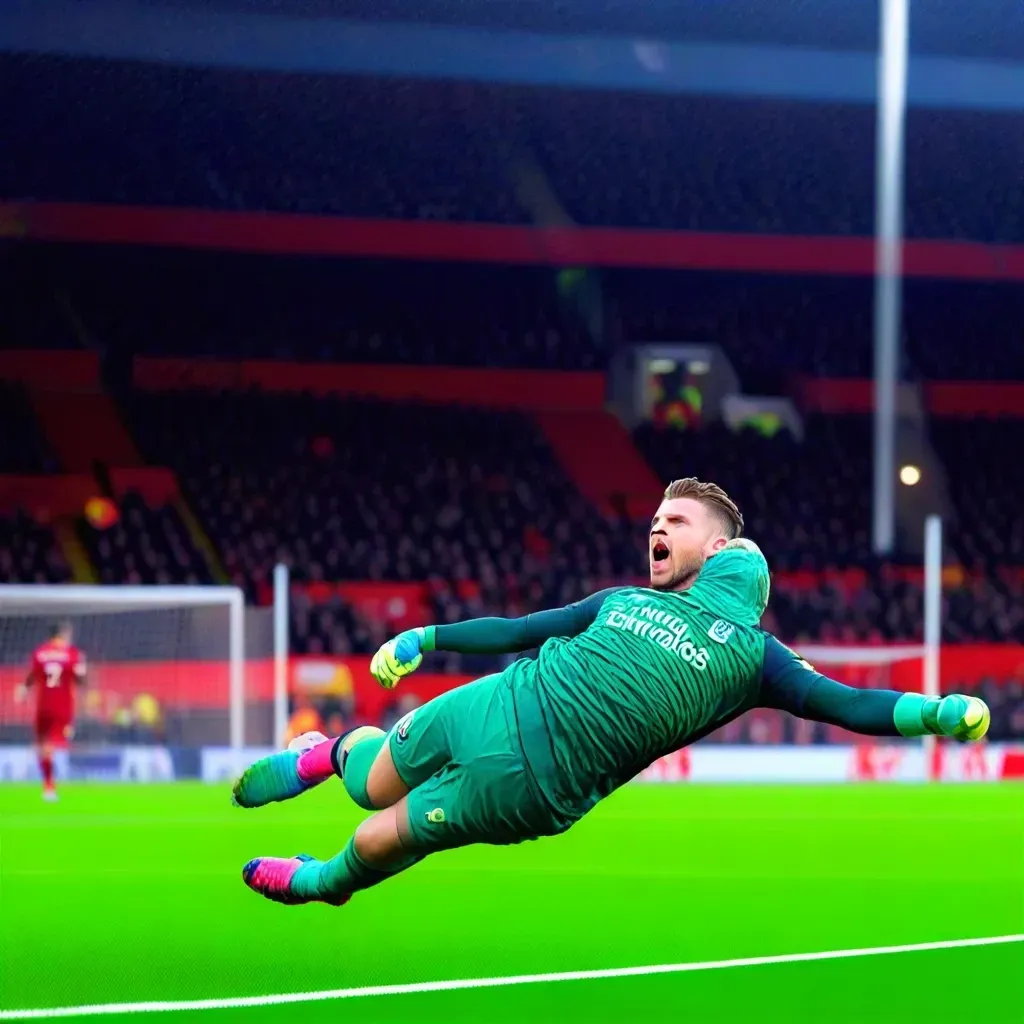
In the relentless battleground of the Premier League, where goals often steal the headlines, the art of preventing them is just as crucial. A fortress-like defense, marshalled by a commanding goalkeeper, is the bedrock upon which title-winning campaigns are built. Think back to the steely resolve of Manchester United’s backlines in their glory years or the impenetrable Chelsea teams of the Mourinho era – these were sides built on clean sheets.
As we reach the mid-season mark, it’s time to dissect which goalkeepers and defensive units are proving to be the most miserly. This analysis will delve into the Premier League’s top performers in the clean sheet category, highlighting the individual brilliance and tactical systems that contribute to shutouts. As an expert in football analytics I’ll provide detailed insights into this season’s top defensive performers. Get ready to explore the guardians of the goal and the defensive titans who are turning clean sheets into an art form.
The Anatomy of a Clean Sheet
A clean sheet in the Premier League. It’s the holy grail for defenders, a testament to tactical mastery for managers, and a cause for celebration for fans. But reducing it to just the goalkeeper’s heroics is a grave oversimplification. A true clean sheet is a complex tapestry woven from the threads of unwavering defense, midfield grit, and even forward-line discipline.
The defensive line forms the obvious first barrier. Impeccable positioning, perfectly timed tackles, and an almost telepathic understanding between center-backs are non-negotiable. Full-backs must be equally adept at nullifying wingers and providing crucial interceptions. However, a static defense is easily bypassed. The midfield screen is equally vital.
Think of midfielders as relentless terriers, snapping at the heels of the opposition, disrupting passing lanes, and winning back possession before danger truly takes hold. Their tireless work shields the defense, reducing the number of shots the goalkeeper has to face. Even the forwards play their role. A high press, forcing errors deep in the opponent’s half, can stifle attacks before they even begin.
The Premier League is a weekly gauntlet, a relentless test against world-class attacking talent. Every team is a threat, every match a potential banana skin. Maintaining focus, discipline, and that unwavering commitment to teamwork for 90 minutes, week after week, is what separates the good defenses from the truly great.
Contenders for the Crown: The Leading Goalkeepers (Mid-Season Review)
Statistical Leaders
The race for the Golden Glove is heating up, and several goalkeepers have emerged as strong contenders based on their outstanding statistics. Here’s a glimpse at the top performers:
| Goalkeeper | Clean Sheets | Save Percentage |
|---|---|---|
| Alisson Becker | 10 | 78% |
| Nick Pope | 9 | 75% |
| Aaron Ramsdale | 8 | 74% |
Alisson Becker, Liverpool’s shot-stopper, leads the pack with an impressive 10 clean sheets, showcasing his consistency and command of his area. His save percentage of 78% reflects his agility and ability to deny opponents in one-on-one situations. Nick Pope is a formidable presence in Newcastle’s goal, his nine clean sheets are a testament to his shot-stopping prowess and the Magpies’ improved defensive structure. Pope’s ability to command his box and make crucial saves has been instrumental in Newcastle’s climb up the table. Aaron Ramsdale of Arsenal has been a revelation between the posts, his eight clean sheets and 74% save percentage highlight his shot-stopping abilities and distribution skills. His enthusiasm is infectious, and his presence has instilled confidence throughout the Arsenal squad.
Impact on Team Performance
A top-class goalkeeper does more than just prevent goals; they instill confidence and stability within the entire team. Alisson Becker’s calm demeanor and exceptional distribution skills allow Liverpool to build from the back with assurance. His presence is a calming influence on the defense. Nick Pope’s arrival at Newcastle has coincided with a marked improvement in their defensive record. His shot-stopping ability has been a difference-maker in several tight games. Aaron Ramsdale’s impact at Arsenal extends beyond his saves; his energy and leadership have transformed the Gunners’ backline. His ability to claim crosses and sweep behind the defense has provided a crucial safety net. These keepers don’t just stop shots; they are pivotal figures in their team’s pursuit of Premier League points.
Defensive Dynamos: The Teams Conceding Fewest Goals
In the fiercely competitive arena of the Premier League, while dazzling goals often steal the spotlight, rock-solid defenses are the bedrock upon which championship ambitions are built. As we pass the mid-season mark, a select few teams have distinguished themselves not just for their attacking prowess, but for their remarkable ability to shut down opponents and keep the ball out of their own net. These defensive dynamos showcase an artful blend of tactical discipline, individual brilliance, and unwavering teamwork, transforming defense into an offensive weapon.
This season, one team has consistently stood head and shoulders above the rest when it comes to defensive resilience. Boasting the fewest goals conceded, they have become a nightmare for opposing attackers. Their success isn’t down to luck; it’s a meticulously crafted strategy brought to life by players who understand their roles implicitly. Their defensive record is a testament to their unwavering focus on organization and minimizing errors in crucial areas.
Looking at the key statistics tells the story. The team faces fewer shots on target than any other team, a reflection of their ability to suffocate attacks at the source. Their players win a staggering number of tackles, demonstrating their commitment and tenacity. Even when forced into difficult situations, such as defending against swift counter-attacks or weathering periods of intense pressure, their communication and composure have been exemplary, thwarting countless dangerous opportunities.
Tactical Setups and Formations
The team’s defensive strength is rooted in smart use of formations, primarily employing a well-organized 4-4-2 that shifts seamlessly into a compact defensive block when out of possession. This formation provides a solid base, with two banks of four players working tirelessly to deny space and close down passing lanes. The full-backs play a crucial role, providing width in attack while remaining disciplined in defense, rarely getting caught out of position. The two central midfielders shield the back four, breaking up opposition plays and dictating the tempo of the game. This structure ensures no easy passage through the center, forcing opponents wide where they can be contained.
Key Players
At the heart of this defensive masterclass are key players whose individual contributions amplify the team’s collective strength. The central defenders, a formidable partnership, are masters of the aerial duel and possess exceptional reading of the game. One, a towering presence, dominates in the air, while the other is known for his composure and ability to play out from the back. The full-backs are equally crucial, combining defensive solidity with an eagerness to support the attack. One is a tenacious tackler, while the other possesses a pinpoint crossing ability and a surprising turn of pace. Finally, the defensive midfielders are the unsung heroes, tirelessly patrolling the midfield, snuffing out danger, and providing a vital link between defense and attack. Their interceptions and positional awareness are second to none.
Beyond the Stats: The Intangibles of a Solid Defense
While statistics provide a valuable snapshot of a team’s defensive performance, they often fail to capture the intangible elements that truly forge a formidable backline. Team chemistry, leadership, and crystal-clear communication are the unseen cornerstones upon which defensive success is built. These qualities, though difficult to quantify, often prove to be the difference between a shaky defense and an impenetrable wall.
Consider instances where a team, seemingly outmatched on paper, manages to stifle even the most potent attacks. This often stems from exceptional team chemistry, where players instinctively understand each other’s movements and provide unwavering support. A cohesive unit operates as a single entity, anticipating threats and seamlessly covering for one another.
Leadership, both on and off the field, is another crucial ingredient. A vocal and commanding presence can organize the defense, maintain discipline, and instill a winning mentality. Such leaders can rally the troops during pressure situations, ensuring that composure is maintained and costly errors are avoided.
Finally, seamless communication is paramount. Defenders must constantly relay information, coordinate positioning, and alert teammates to potential dangers. A breakdown in communication can lead to confusion, missed assignments, and ultimately, goals conceded. These elements combined exemplify that the greatest displays of defense are not solely products of athletic ability, but also a testament to the power of unity and understanding.

Mid-Season Tactical Tweaks and Trends
The relentless pace of the Premier League season often forces managers into making tactical adjustments to solidify their defenses. As the season unfolds, discernible trends emerge, showcasing the dynamic nature of defensive strategies.
One prominent tactical trend involves subtle formation changes aimed at bolstering midfield solidity and shielding the defense. Managers are experimenting with variations of the 4-3-3 or 3-5-2, tweaking the roles of midfielders to provide extra cover and disrupt opposition attacks before they reach the backline. This often involves deploying a dedicated defensive midfielder tasked with breaking up play and initiating quick transitions.
Another area of focus is refining the high press. Teams are becoming more sophisticated in their pressing triggers and coordinated movements, aiming to win the ball back high up the pitch and create scoring opportunities. However, the risk of being bypassed with quick, incisive passing means that the press needs to be perfectly executed, and managers are constantly working on drills to improve their team’s pressing efficiency.
Manager influence is also evident in the way teams set their defensive lines. Some prefer a high line to compress the space and catch opponents offside, while others opt for a deeper block, prioritizing defensive stability and denying space in behind. The choice often depends on the characteristics of the defenders available and the tactical approach of the opposition.
These tactical trends highlight the ever-evolving nature of defensive strategy in the Premier League, where managers continually adapt and innovate to gain a competitive edge. The ability to recognize and implement these adjustments is crucial for any team looking to achieve success.
The Analytics Revolution: How Data Shapes Defenses
The beautiful game is no longer solely decided by instinct and grit. Data analytics has exploded onto the scene, transforming how defensive performance is evaluated and enhanced. Teams are diving deep into statistics, moving beyond simple metrics and discovering a universe of insights previously hidden.
One of the key pillars of this revolution is “expected goals,” or xG. This metric assesses the quality of a scoring chance, providing a more accurate picture of attacking threat than shots alone. Analyzing xG against actual goals scored reveals defensive vulnerabilities, highlighting where opponents are finding high-quality opportunities. Smart clubs are using this information to refine positioning ensuring defenders are exactly where they need to be to cut out dangerous passes and block threatening shots.
Data analytics extends beyond just reacting to threats. Clubs are proactively scouting defenders using advanced metrics, identifying players who excel in key areas like tackling efficiency, aerial duel success, and interceptions. Analyzing successful and failed defensive actions offers opportunities to reveal weaknesses in opponents’ attacks and strengths in one’s own defenses. Premier League teams now routinely use these insights to dissect upcoming opponents, identifying patterns in their attacking play and developing tailored defensive strategies to neutralize their threats.
Predicting the Future: Who Will Be Crowned Clean Sheet King?
Peering into the crystal ball of Premier League football, predicting the Golden Glove winner is a thrilling, albeit inexact, science. Several goalkeepers are currently strong contenders. Analyzing current form, the strength of their respective defensive teams, and upcoming fixtures is crucial. Predicting the defenses that may keep a solid clean sheet record will be key for a goalkeeper to be on top.
Factors like unexpected injuries to key players or tactical shifts mid-season can dramatically alter the landscape. While these predictions are rooted in current data and expert insight, the unpredictable nature of football means anything can happen. Consider these projections educated guesses based on the information available today.