For years, businesses have leaned heavily on discounts as the go-to promotional strategy. I used to think the same way, slashing prices left and right, chasing that immediate sales boost. But then I noticed something: customers flocked in for the deal, then vanished just as quickly, loyalty nowhere to be found. That’s when it hit me – discounts are a sugar rush, not a sustainable solution.
That’s where cashback programs come in. Think of them as a sophisticated upgrade to traditional discounts. They not only incentivize immediate purchases but also cultivate lasting customer relationships. Cashback isn’t just about saving money; it’s about earning loyalty, unlocking powerful data insights, and ultimately, boosting customer lifetime value. It is a promotional strategy I’ve come to rely on.
Cashback vs. Discounts: Understanding the Core Difference
At first glance, cashback and discounts might seem like two sides of the same coin – ways to save money on purchases. However, a closer look reveals a fundamental difference that impacts customer psychology and, ultimately, a business’s bottom line. A discount provides immediate price reduction, a straightforward subtraction from the original cost. Cashback, on the other hand, is a reward receivedafter* the purchase, often a percentage of the total amount spent returned to the customer. This delayed gratification is key to understanding the increased perceived value of cashback.
Imagine a customer is considering a new gadget priced at $100. A 20% discount immediately reduces the price to $80. The customer saves $20 instantly. Now, consider the same gadget with a 20% cashback offer. The customer still pays $100 upfront, but later receives $20 back. While the financial outcome is identical, thefeeling* is different. That $20 cashback often feels like “found money,” a bonus, instead of a simple price reduction. This taps into the mental accounting principle, where people treat money differently depending on its source and intended use. The cashback becomes a reward, fostering a sense of satisfaction and loyalty.
The Discounting Death Spiral
While discounts offer a quick way to attract customers, relying heavily on them can lead to the dreaded “discounting death spiral.” Constant sales and markdowns train customers to wait for the next promotion, eroding brand value and creating unhealthy price expectations. When a company consistently offers discounts, customers begin to perceive the discounted price as the “real” price, making it difficult to sell products at full price. This reliance on discounts squeezes profit margins and can ultimately devalue the brand in the eyes of consumers. A once-premium brand, constantly slashing prices, risks being seen as cheap and undesirable, as it signals that the initial pricing was artificially inflated. This path is a difficult one to recover from, often leading to a decline in overall profitability and brand perception.
The Psychology of Cashback: Why It Works
Missing Out Feels Like Losing Money
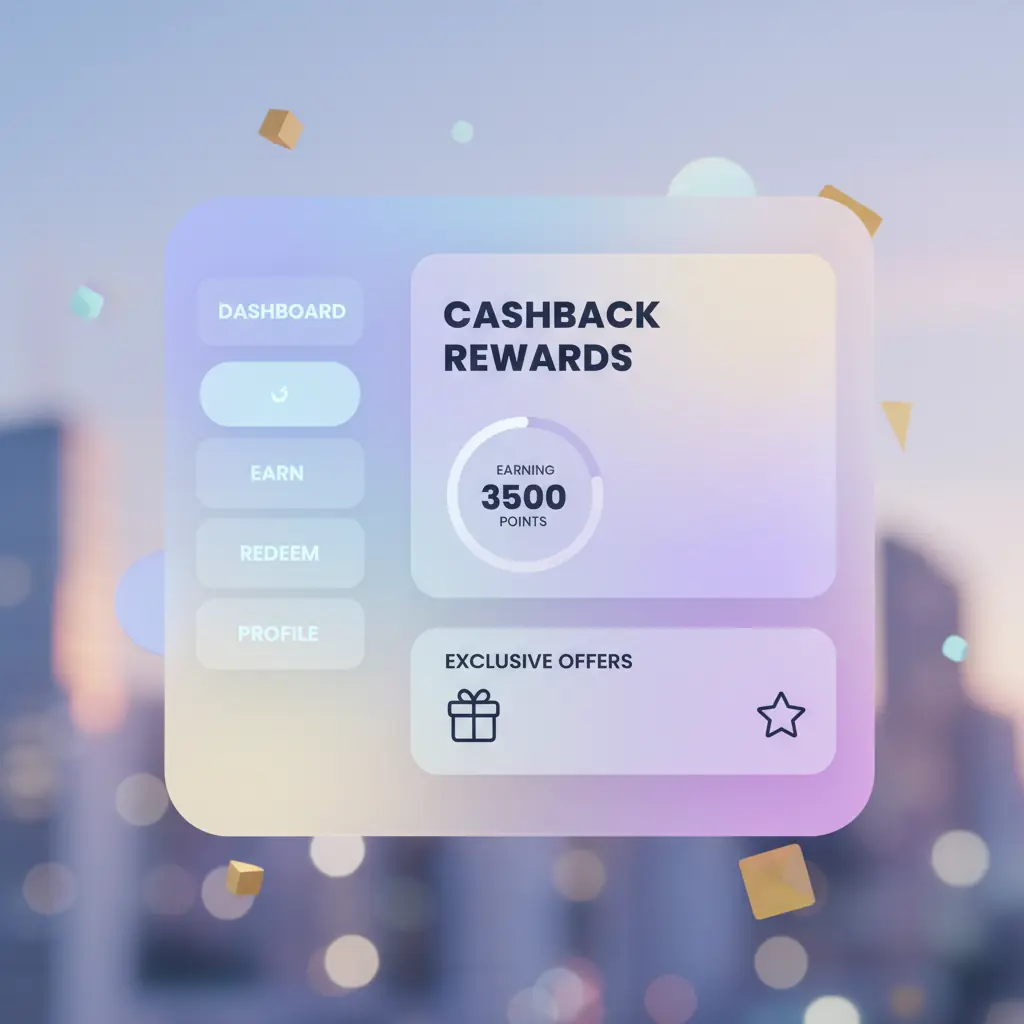
Cashback’s power lies in how it interacts with the human brain. At its core, it plays on loss aversion, the psychological principle that the pain of losing something is twice as powerful as the pleasure of gaining something equivalent. The idea of missing out on a potential reward stings, prompting people to choose options that offer cashback. Studies suggest that over 70% of customers go for cashback offers, because the idea of not getting it feels like losing money. For example, a local grocery store discovered that highlighting the expiration date of a cashback offer on certain products significantly boosted sales of those items. By emphasizing the limited-time nature of the reward, they transformed a simple purchasing decision into one driven by the fear of missing out, gaining a competitive edge in the process.
Benefits for Businesses: More Than Just Short-Term Sales
Cashback programs offer businesses a wealth of advantages that extend far beyond a temporary increase in sales. A primary benefit is the cultivation of increased customer loyalty. By offering customers a percentage of their purchase back, businesses incentivize repeat purchases and foster a sense of value. This translates into customers who are more likely to choose your brand over competitors, leading to long-term relationships and a stable customer base. Moreover, cashback has a remarkable ability to drive up the average order value. Faced with the opportunity to earn more cashback, customers are often inclined to add extra items to their cart, boosting overall transaction amounts. Cashback empowers businesses to cultivate a loyal clientele, witness a surge in order values, gain precious data insights, and ultimately build a stronger and more appealing brand image.
Beyond the immediate financial gains, cashback programs provide businesses with invaluable data insights. These programs track customer behavior, purchase patterns, and preferences, offering a detailed understanding of your target audience. This information can be leveraged to refine marketing strategies, personalize customer experiences, and optimize product offerings.
Data-Driven Decisions: Understanding Your Customers Better
Cashback programs are data goldmines. They reveal crucial information about customer behavior, purchase patterns, and preferred products. Analyzing this data allows businesses to understand when customers shop, what they buy together, and how they respond to promotions. This knowledge fuels smarter marketing campaigns, enabling precise targeting and personalized messaging. Businesses can optimize their product development by identifying trending items and unmet needs. Even customer service can be improved by anticipating customer inquiries and addressing potential pain points proactively, all thanks to the insights gleaned from cashback data.
Implementing a Successful Cashback Program: A Step-by-Step Guide
Cashback programs can be a potent strategy for attracting new customers, fostering loyalty, and boosting sales. However, a poorly designed or executed program can drain resources and fail to deliver the desired results. This guide provides a practical roadmap for designing and implementing a cashback program that aligns with your business’s unique goals and maximizes its impact.
The foundation of a successful cashback program lies in understanding your target audience. Analyze their purchasing habits, preferences, and motivations. What kind of products or services do they buy most frequently? What motivates them to choose one brand over another? This knowledge will inform your reward structure and marketing strategy.
Carefully consider the reward structure. A percentage-based cashback system (e.g., 5% cashback on all purchases) is often easier to understand and more appealing than a points-based system. Determine a sustainable cashback rate that incentivizes customers without significantly impacting your profit margins. Don’t be afraid to experiment and adjust the rate based on performance data. For example, you might offer higher cashback rates during promotional periods or for specific product categories.
Choosing the Right Cashback Platform
The technology you choose to manage your program is pivotal. Numerous cashback platforms offer varying features, pricing, and levels of customization. Popular platforms provide streamlined management, tracking, and reporting capabilities. When selecting platform, ensure it integrates seamlessly with your existing e-commerce or point-of-sale system. Consider the pros and cons of using a third-party provider, which offers ease of use and established infrastructure, versus building a custom solution, which provides greater control but requires more technical expertise and resources.
Promoting Your Cashback Program Effectively
A well-designed program will only succeed if customers know about it. A robust marketing strategy is essential for driving awareness and participation. Highlight the benefits of your program clearly and concisely. Use multiple channels to reach your target audience, including email marketing, social media, and on-site promotions. Consider running targeted advertising campaigns to attract new customers with the promise of cashback rewards.
To maximize customer engagement, personalize your marketing messages and offer tailored cashback deals based on their purchase history. For example, send a notification offering bonus cashback on a product they frequently buy. Analyze the performance of your marketing campaigns to identify what resonates best with your audience and optimize your strategy accordingly.
Measuring and Optimizing Your Cashback Program
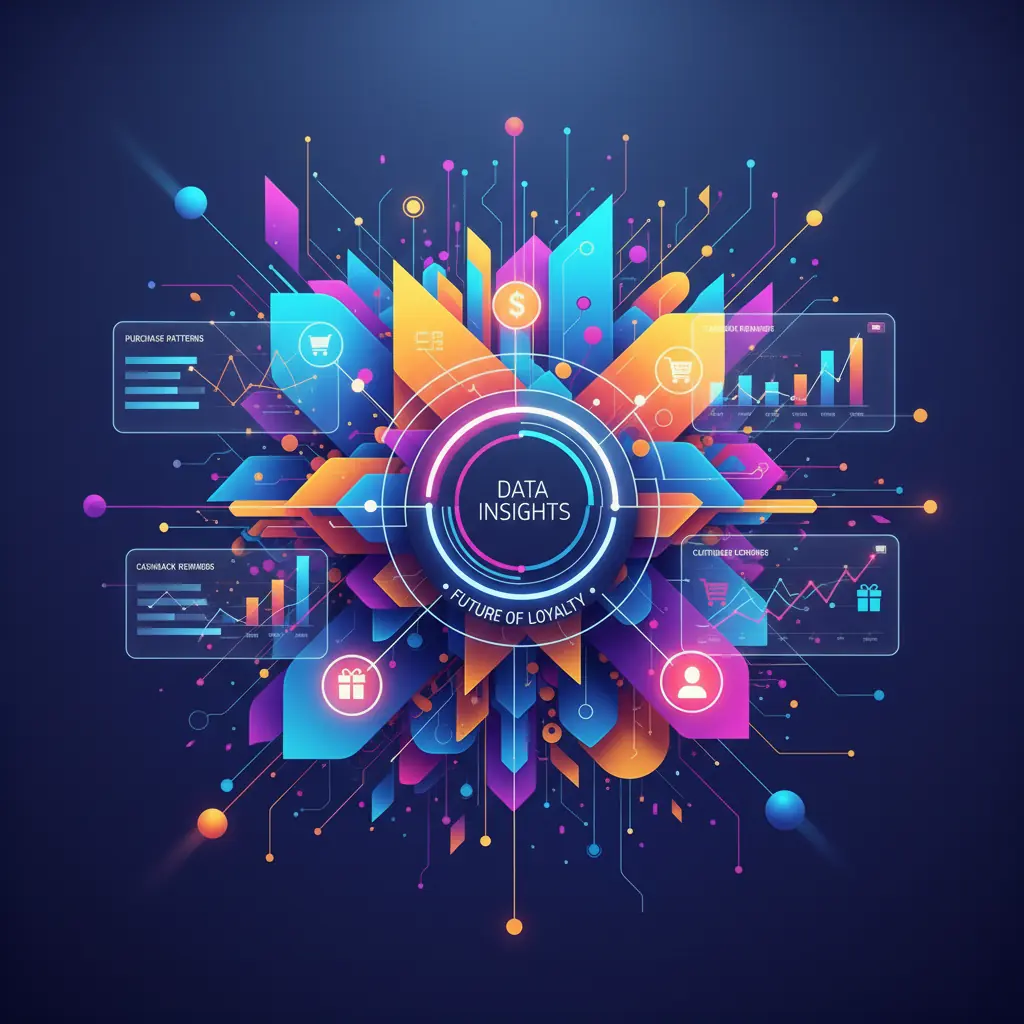
To truly harness the power of a cashback program, it’s not enough to simply launch it and hope for the best. Rigorous tracking and data-driven optimization are essential to maximizing its effectiveness and return on investment (ROI). By closely monitoring key metrics and using data analysis to identify areas for improvement, businesses can fine-tune their cashback programs to achieve optimal results.
So, what exactly should you be tracking? Key Performance Indicators (KPIs) are your guiding stars. Start with the redemption rate – the percentage of earned cashback that customers actually redeem. A low redemption rate could indicate that the reward thresholds are too high, or the process is too cumbersome. Next, consider the incremental sales generated by the program. How much additional revenue is directly attributable to the cashback offer? This will help you calculate the overall ROI.
Data analysis is the key to understanding what’s working and what’s not. Use your analytics tools to segment customers based on their engagement with the cashback program. Are there specific demographics or purchase patterns that correlate with high redemption rates? Understanding these trends will allow you to tailor your offers and marketing efforts for greater impact. Also, closely monitor customer feedback. Surveys and social media sentiment can provide valuable insights into the perceived value and usability of your cashback program.
Optimization is an ongoing process. Regularly review your KPIs and data analysis to identify opportunities for improvement. Experiment with different cashback rates, reward tiers, and marketing messages to see what resonates best with your target audience. By continuously refining your cashback program based on data, you can ensure that it remains a powerful tool for driving customer loyalty and boosting your bottom line.
The Future of Cashback: Trends and Innovations
The world of cashback is dynamic, constantly evolving to meet the changing needs and expectations of consumers. Several exciting trends and innovations are poised to reshape how we perceive and utilize cashback offers in the years to come. Forget the one-size-fits-all approach; the future is all about personalization.
Personalized Rewards: Cashback programs are now leveraging data analytics to understand individual spending habits and preferences, providing more relevant and appealing rewards. Imagine receiving boosted cashback on your favorite coffee shop or preferred online retailer – that’s the power of personalization in action, and that is the future. Artificial intelligence is at the forefront of this evolution. AI algorithms can analyze vast amounts of consumer data to predict future purchases and proactively offer cashback deals that resonate with individual users.
AI-Powered Optimization: This means maximizing savings potential and driving customer loyalty. While still in its early stages, Blockchain technology is also starting to make inroads into the cashback landscape. Blockchain-based cashback systems offer increased transparency and security, ensuring that rewards are accurately tracked and distributed. Furthermore, it has the potential to eliminate intermediaries, reducing transaction costs and potentially leading to higher cashback rates for consumers.
Conclusion
Cashback emerges as a powerful promotional strategy that goes beyond traditional discounts. It’s a game-changer that fosters lasting customer relationships. By offering tangible rewards on purchases, businesses create a cycle of value that encourages repeat business and builds strong customer loyalty. Embracing cashback is not just about attracting customers; it’s about investing in their long-term engagement and driving sustainable growth. Make the transition from conventional discounts, unlock the potential of cashback, and watch your business flourish as customer loyalty soars.